
Exhibits
Permanent Exhibits

The Beginning of Texas Ranching, 1680-1890
Texas ranching traces its roots to 1690 when Spain introduced cattle to Texas. Cowboys soon developed tools and techniques that were adapted for working cattle. This gallery traces the development of the Texas cattle industry beginning with the “vaqueros,” the first trail drives of the 1850s, and the importance of cattle to Texas during and after the Civil War.
With the era of trail drives, beef was introduced to new markets across the country. As the cattle industry grew into a booming business, expansive ranches emerged and the Texas and Southwestern Cattle Raisers Association was formed to protect them.

Rails, Roads, Rodeos, and Rustlers:
1890-1950
With the invention of barbed wire, rangelands were enclosed, the cattle drives ended, and a new way of moving cattle to emerging markets was introduced. Railroads quickly transformed cities like Fort Worth into bustling cattle markets and meat packing centers, helping to boost prices for Southwestern cattle. By the late 1890s, stock shows and rodeos were introduced to help promote sales and establish a venue for cattle raisers to better understand the value of breeding and exhibiting stock to potential buyers. Additionally, cattle theft became a greater issue, branding was introduced as a way cattle are identified to a ranch, and brand inspectors looked out for rustlers. Finally, ranching modernized with the introduction of tools, trailers and large trucks to haul cattle to distant places.
The Vision Trail:
1950-Present
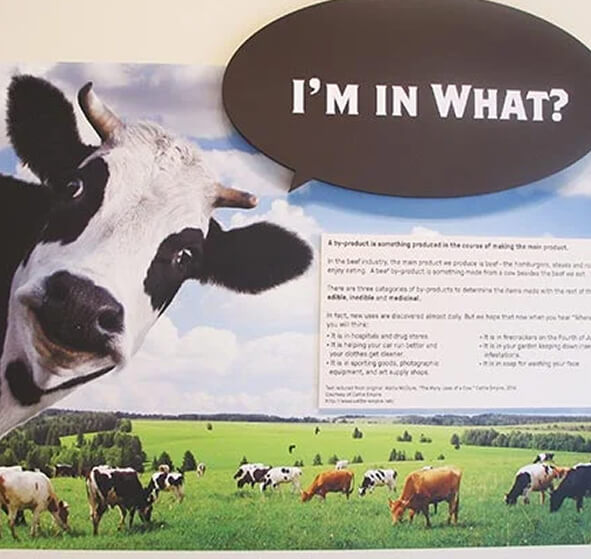
Innovation and technology have defined the modern era of the beef industry. Technology helps cattle raisers fight diseases such as screwworm and provides new tools to help ranchers be stewards of the land and improve the genetics of livestock. Today, cattle raisers take full advantage of digital communications to make quicker and more efficient decisions about their herds and rangelands. Consumers can feel good about the nutritional value of lean beef produced by today’s ranchers and benefit from the hundreds of edible, non-edible, and medicinal byproducts of cattle. Texas and Southwestern Cattle Raisers Association remains a strong advocate representing more than 18,000 ranching families.

The Gathering Place
The central gallery is where visitors can see four majestic longhorns in a corral. You will learn more about ranching families in Texas and the Southwest, the importance of stewardship of land, livestock, water and wildlife, and about population as compared with ranch land. The gallery features saddles dated from the 1850s to the 1920s from the magnificent Ken Spain Saddle collection. This gallery also features artwork by Erwin Smith highlighting the life, work, and land of Texas and Southwestern cattle raisers in the 20th century.

Hall of Great Cattle
The Hall of Great Cattle introduces visitors to cattle breeds in a distinct way. “Portraits” of ten breeds beautifully painted and displayed in baroque frames greet visitors as they walk through the gallery. Several portraits are animated which gives visitors a special surprise as they move and talk.

Don C. King Legacy Room
The Don C. King Legacy Room pays tribute to great cattle raisers, both past and present. Artifacts of these individuals are housed in pull-out drawers in specially designed cherry wood cabinets.
Ready to check out these collections in person?
Special Exhibits
Jane and John Justin Gallery


XIT Ranch: A Texas Legend Returns
On display from March 27, 2026 through February 28, 2027
Established in 1885, the XIT Ranch emerged from a land-for-construction agreement in which John V. and Charles B. Farwell financed the Texas State Capitol in exchange for three million acres of Texas Panhandle land. Once the world’s largest fenced ranch, the XIT declined in the early 20th century as cattle and land were sold.
The XIT brand was revived in 2022, when Abby and Drew Knowles—the great-great-great-grandson of John Farwell—began reassembling family-owned ranchlands west of Channing including the ranch’s original Rita Blanca Division.
The XIT Ranch exhibition will feature images from five Western photographers including Peter Robbins, Crystal Wise, Nick Dupuy, Belton Kleberg McMurrey, and renowned photographer Anouk Krantz who featured the XIT Ranch on the cover of her 2024 book, Frontier. Curated by Belton McMurrey, this multi-gallery exhibition showcases the land, people, and enduring spirit of the XIT Ranch.